
Educational Programmes
Specialized training for historic building conservation professionals
Professional Development for Heritage Specialists
Our educational programmes are designed for architects, engineers, conservators, craftspeople, and building managers working with Ireland's historic buildings. Each programme provides both theoretical knowledge and practical skills essential for sensitive and effective interventions in heritage structures.
Developed in alignment with Ireland's conservation standards and European best practices, these programmes emphasize the balance between preserving cultural significance and meeting contemporary needs for functionality, safety, and sustainability.
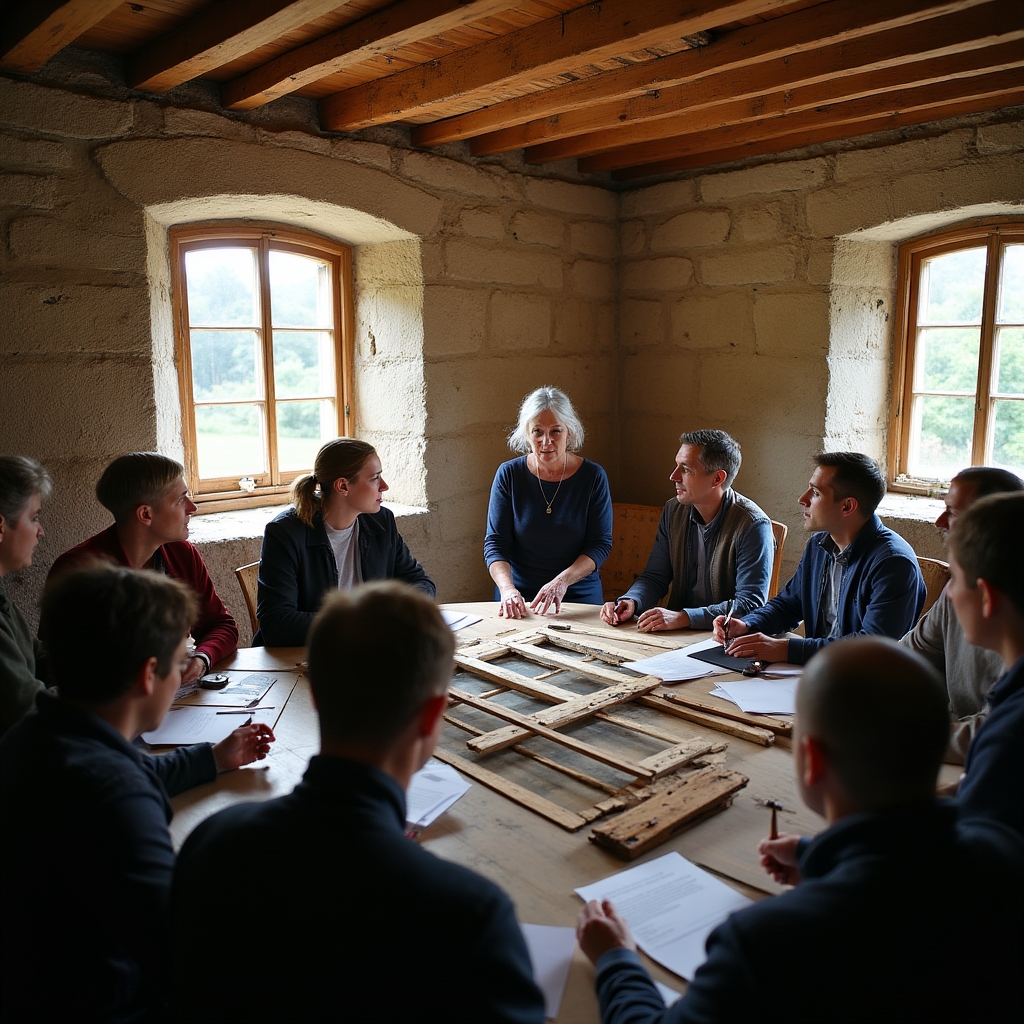
Conservation Principles & Methodology
This foundational programme establishes the philosophical and methodological framework for architectural conservation practice in Ireland. Participants explore the evolution of conservation theory from the 19th century to contemporary approaches, with emphasis on the Venice Charter, Burra Charter, and Irish conservation principles.
Key Topics
- Assessment of cultural significance and heritage values
- Documentation techniques and condition surveys
- Conservation planning methodology
- Minimal intervention and reversibility principles
- Material authenticity versus design integrity
- Managing change in historic environments
- Irish legal framework for protected structures
Learning Outcomes
Upon completion, participants will be able to:
- Assess the cultural significance of historic buildings
- Develop conservation statements and plans
- Apply appropriate conservation methodologies to different building types
- Evaluate intervention proposals against conservation principles
- Navigate the consent process for protected structures in Ireland
Format
The programme combines lectures, seminars, case study analysis, and site visits to significant conservation projects in Ireland. Participants engage in practical exercises including significance assessments and conservation planning for actual historic structures.
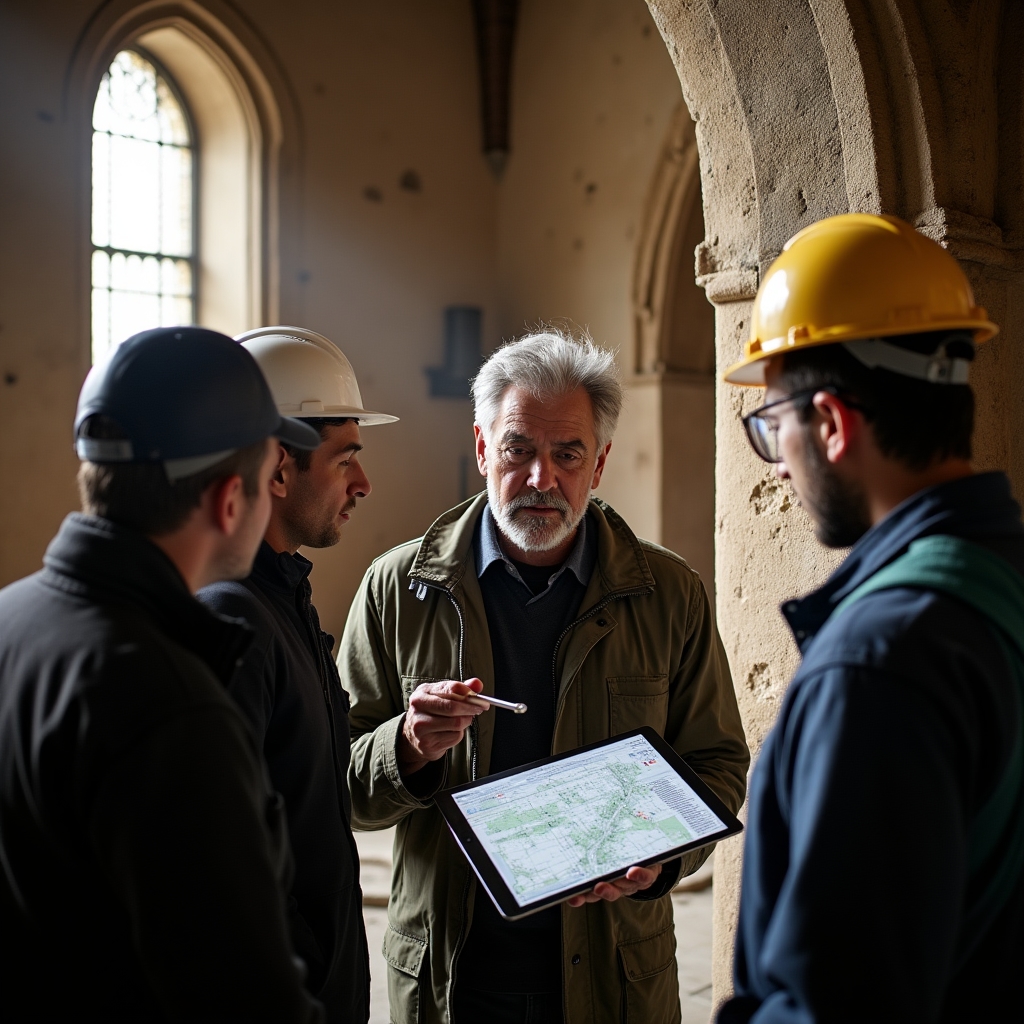
Traditional Materials & Construction Methods
This comprehensive programme explores the materials and methods used in Ireland's historic buildings from medieval to early 20th century construction. Through hands-on workshops and laboratory analysis, participants develop an understanding of traditional materials' composition, behavior, and appropriate conservation approaches.
Key Topics
- Irish stone types, quarrying, and masonry techniques
- Traditional mortars: lime, earth, and gypsum
- Historic timber species, conversion, and joinery
- Traditional roofing: slate, thatch, lead, and copper
- Historic ironwork: wrought and cast iron elements
- Traditional plasters, renders, and decorative finishes
- Historic window and glass technology
Learning Outcomes
Upon completion, participants will be able to:
- Identify and date traditional materials in Irish buildings
- Diagnose pathologies and deterioration mechanisms
- Specify compatible conservation materials and methods
- Execute or supervise traditional construction techniques
- Source appropriate replacement materials for historic structures
Format
Each two-day module focuses on a specific material group and includes material science, historical context, hands-on demonstrations, and practical work. Field trips to quarries, timber yards, and conservation workshops complement the classroom learning.
Energy-Efficient Retrofits for Historic Buildings
This specialized programme addresses the critical challenge of improving energy performance in historic buildings while preserving their heritage values and avoiding technical risks. Participants learn to develop holistic retrofit strategies that respect the building physics of traditional structures while meeting contemporary performance standards.
Key Topics
- Building physics of traditional construction
- Hygrothermal behavior and moisture management
- Energy assessment methodologies for historic buildings
- Breathable insulation systems for walls, roofs, and floors
- Window thermal upgrading options
- Heating system modernization in historic contexts
- Renewable energy integration in heritage settings
- Irish and EU regulatory frameworks and exemptions
Learning Outcomes
Upon completion, participants will be able to:
- Conduct heritage-sensitive energy assessments
- Develop balanced retrofit strategies respecting heritage values
- Select appropriate technical solutions for specific building types
- Evaluate technical risks of retrofit interventions
- Navigate the intersection of building energy regulations and conservation requirements
Format
The programme combines technical lectures, case study analysis, hands-on testing demonstrations, and site visits to exemplar projects. Participants apply their learning to a real building retrofit plan, receiving feedback from multidisciplinary experts.
Normative Context
Our programmes operate within Ireland's comprehensive framework for protecting architectural heritage and promoting sustainable development. Understanding this regulatory landscape is essential for professionals working with historic buildings.
Irish Heritage Protection Framework
- Planning and Development Acts (2000-2022): Establishes the Register of Protected Structures and Architectural Conservation Areas
- Architectural Heritage Protection Guidelines (2011): Comprehensive guidance for planning authorities on managing protected structures
- National Inventory of Architectural Heritage: Survey methodology and evaluation criteria for historic structures
- National Monuments Acts: Protection for structures predating 1700 or of significant national importance
Building Regulations & Energy Standards
- Technical Guidance Document L - Conservation of Fuel and Energy: Includes specific provisions for historic and protected buildings
- Part B - Fire Safety: Special considerations for historic buildings and alternative compliance methods
- European Energy Performance of Buildings Directive (EPBD): Implementation in Ireland with provisions for heritage buildings
- SEAI Guidelines for Historic Buildings: Specialized approaches to energy assessment and certification
Professional Standards & Charters
- ICOMOS Ireland Principles: National interpretation of international conservation standards
- RIAI Conservation Guidelines: Professional practice standards for architects working with historic buildings
- European Standards (EN): Relevant standards for conservation materials and methods
- Conservation Accreditation Requirements: Professional qualification frameworks for conservation specialists
Climate Action and Built Heritage
Ireland's Climate Action Plan 2023 and the European Green Deal have significant implications for heritage conservation. Our programmes address the evolving policy landscape, helping professionals navigate the balance between carbon reduction goals and heritage protection.
Key areas of focus include:
- Embodied carbon assessment in conservation projects
- Life-cycle analysis approaches for historic buildings
- Policy developments in energy efficiency standards for heritage buildings
- Climate resilience and adaptation for vulnerable historic structures
Our educational content is regularly updated to reflect the latest regulatory developments and policy guidance.
Upcoming Workshops & Events
Conservation Principles Intensive Course
Location: Dublin Castle, Dublin
Duration: 5 days (9:00-17:00)
Led by: Dr. Sarah Murphy, Conservation Architect
This foundational course provides a comprehensive introduction to international conservation principles and their application in the Irish context. Through lectures, discussions, and site visits, participants will develop a robust theoretical framework for conservation decision-making.
EnquireTraditional Carpentry Techniques Workshop
Location: National Craft School, Kilkenny
Duration: 2 days (9:00-17:00)
Led by: James Byrne, Master Carpenter
This hands-on workshop focuses on traditional timber joinery methods used in historic Irish buildings. Participants will learn to assess, repair, and replicate historic timber elements using traditional hand tools and techniques. Includes practical demonstrations of scarf joints, mortise and tenon connections, and timber selection.
EnquireEnergy-Efficient Retrofits for Traditional Buildings
Location: SEAI Training Centre, Cork
Duration: 3 days (9:00-17:00)
Led by: Dr. Michael O'Neill, Building Physicist
This advanced workshop addresses the challenges of improving energy performance in traditional Irish buildings while preserving their character and avoiding moisture-related issues. Covers hygrothermal assessment, suitable insulation strategies, ventilation solutions, and heating system options compatible with historic structures.
EnquireFunding & Support
Several funding schemes are available to support conservation works on historic buildings in Ireland. Our programmes help participants navigate these opportunities and prepare effective applications.
Built Heritage Investment Scheme
Annual grants for the repair and conservation of structures on the Record of Protected Structures, typically covering between 30-50% of project costs up to a maximum of €15,000.
Eligibility: Private owners and occupiers, trustees, conservation groups, and local authorities
Historic Structures Fund
Support for larger conservation projects with grants from €15,000 to €200,000 for significant historic structures, including those at risk.
Eligibility: Private owners, non-profit organizations, local authorities, and conservation bodies
SEAI Energy Retrofit Grants
Specialized pathways for historic buildings within Ireland's energy efficiency grant programmes, recognizing the unique requirements of traditional structures.
Eligibility: Building owners meeting specific criteria for historic or traditionally constructed buildings
Our programmes include guidance on preparing documentation for grant applications, including conservation statements, method statements, and technical specifications that meet funding requirements.
Frequently Asked Questions
Our programmes are designed for professionals already working in the built environment or heritage sectors. While no specific qualifications are mandatory, participants typically have backgrounds in architecture, engineering, surveying, conservation, or traditional building crafts. Some advanced programmes may require prior experience or completion of foundation courses.
Yes, our programmes are recognized for Continuing Professional Development (CPD) by relevant professional bodies including the Royal Institute of the Architects of Ireland (RIAI), Engineers Ireland (EI), and the Society of Chartered Surveyors Ireland (SCSI). The specific CPD points are indicated for each programme. Some advanced programmes also contribute to conservation accreditation requirements.
Our Energy-Efficient Retrofits programme specifically addresses this challenge. We focus on understanding the exemptions and alternative compliance methods available within the Irish building regulations for protected structures and traditional buildings. We teach a balanced approach that maximizes energy improvements where compatible with heritage values, using the flexibility within TGD-L and other regulations to develop appropriate solutions.
While our focus is on education, we do offer limited technical consultancy services for complex conservation challenges. Participants in our programmes often connect with our network of specialist advisors for specific project support. For consultancy requests, please contact us through the form on our homepage, detailing the nature of your project and the expertise required.
For most programmes, it's possible to attend individual modules based on your specific interests or needs. This is particularly true for our Traditional Materials programme, which consists of six two-day modules that can be taken separately. However, some intensive courses are designed as cohesive learning experiences and require full attendance. Please enquire about the specific programme you're interested in.
We have adapted our delivery methods to ensure safety while maintaining the quality of education. Theoretical components are available through online live sessions, while practical workshops are conducted with reduced group sizes and appropriate safety measures. For some programmes, we offer a hybrid approach with online theory followed by condensed in-person practical sessions. All arrangements comply with current public health guidelines.
Ready to Enhance Your Heritage Skills?
Contact us to discuss our programmes or to arrange specialized training for your organization.
Get in Touch Explore Practical Guides