
Preserving Heritage Through Expert Education
Comprehensive resources for conservation professionals working with historic buildings
Cradepsits provides specialized knowledge for architects, engineers, and craftspeople to maintain the integrity of Ireland's architectural heritage while adapting to modern requirements.
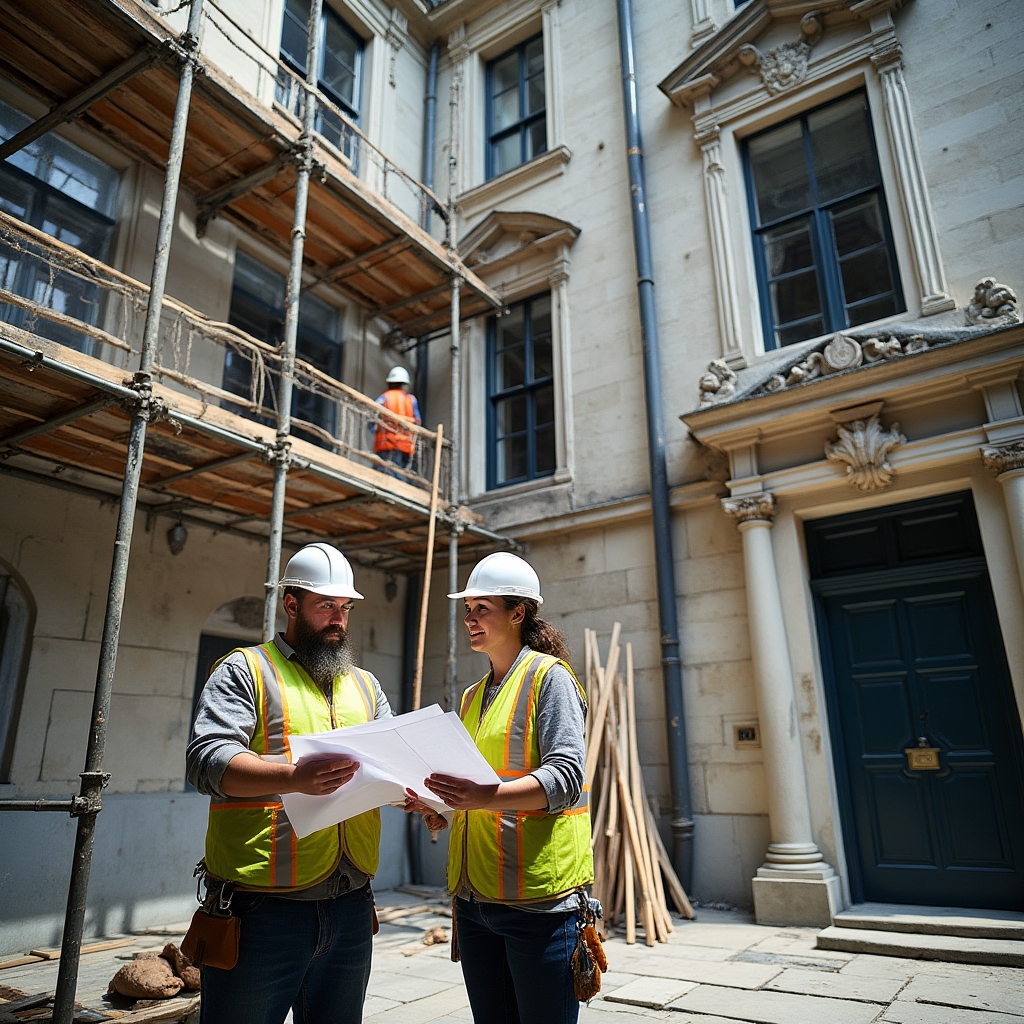
Educational Programmes
Specialized training for professionals focused on historic building conservation and adaptation

Conservation Principles
Learn fundamental approaches to architectural conservation based on international charters and Irish heritage guidelines. Our programme explores minimal intervention, reversibility, and compatibility principles through hands-on workshops and case studies.
Learn More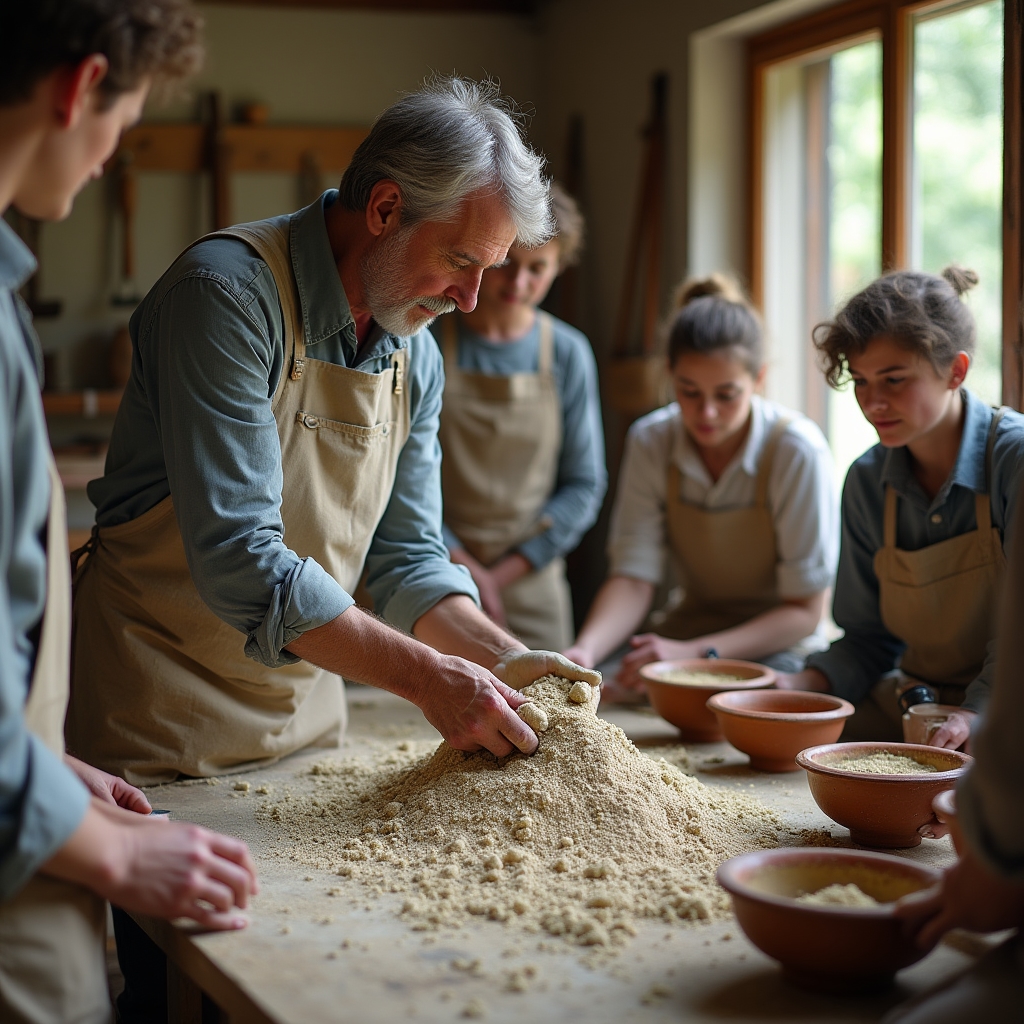
Traditional Materials
Comprehensive study of historic building materials common in Irish architecture, including local stones, lime-based mortars, timber construction, traditional renders and plasters, slate roofing, and wrought ironwork. Includes material identification and compatibility analysis.
Learn More
Energy-Efficient Retrofits
Discover best practices for improving energy performance in historic structures while preserving architectural significance. Covers breathable insulation systems, draught-proofing, thermal bridges, moisture management, and renewable energy integration compatible with heritage values.
Learn MorePractical Guides
Step-by-step resources for preservation techniques and compatible interventions
Masonry & Stone
Expert techniques for the assessment, repair, and conservation of stone structures, focusing on Irish building traditions and local stone types.
Read GuideTimber & Carpentry
Methods for preserving historic timber elements, identifying common issues, and implementing appropriate repair strategies for structural and decorative woodwork.
Read GuideLime Mortars & Renders
Comprehensive guide to traditional lime-based materials, including preparation, application techniques, and curing processes for heritage construction.
Read GuideRoofing
Traditional Irish roofing systems, materials, and installation methods, with focus on slate, thatch, lead work, and historic rainwater management.
Read Guide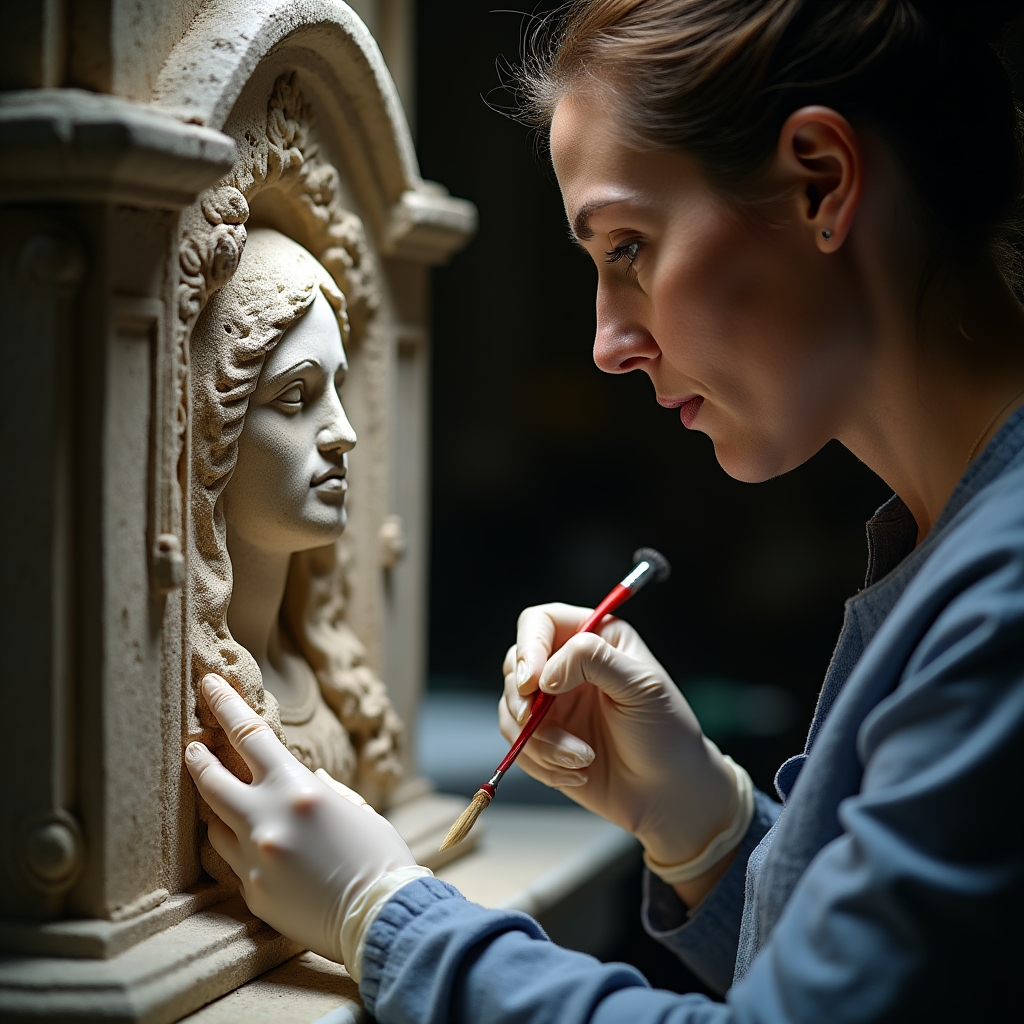
Stone Conservation at St. Mary's Cathedral, Limerick
This comprehensive case study documents the conservation approach to addressing limestone decay at one of Ireland's oldest buildings, constructed in the 12th century. The project demonstrates best practice in minimal intervention, material compatibility, and historically informed decision-making.
The study explores diagnostic methods including petrographic analysis, the formulation of custom conservation mortars matched to the historic fabric, consolidation techniques for friable stone surfaces, and the balance between necessary intervention and heritage preservation.
Particularly significant is the approach to differential weathering patterns between original medieval elements and 19th-century restorations, requiring distinct conservation strategies within a unified aesthetic framework.
Read Full Case StudyNews & Updates
Latest information about our programmes, regulatory changes, and upcoming events
New Built Heritage Grant Scheme Announced
The Department of Housing, Local Government and Heritage has announced a €4 million fund for conservation of historic structures in Ireland. Applications will prioritize projects demonstrating appropriate traditional materials and methods.
Learn more about eligible projectsUpdated Energy Efficiency Standards for Protected Structures
The Irish government has released new guidance on implementing energy efficiency measures in historic buildings. The updated standards acknowledge the specific challenges of heritage structures and provide alternative compliance pathways.
Review regulatory updatesSpring Workshop Series: Traditional Carpentry Techniques
Registration is now open for our hands-on workshop series focused on historic timber frame repair, joinery, and window conservation. The series will be led by master carpenter James Byrne with 25 years of heritage experience.
Register for workshopsContact Us
Have questions about our programmes or need specialized guidance? We're here to help.